Dana Schmitz · 4 November 2026
Bookstores Analyze Novile Circulation Trends Through Library Lending Records in Urban Centers
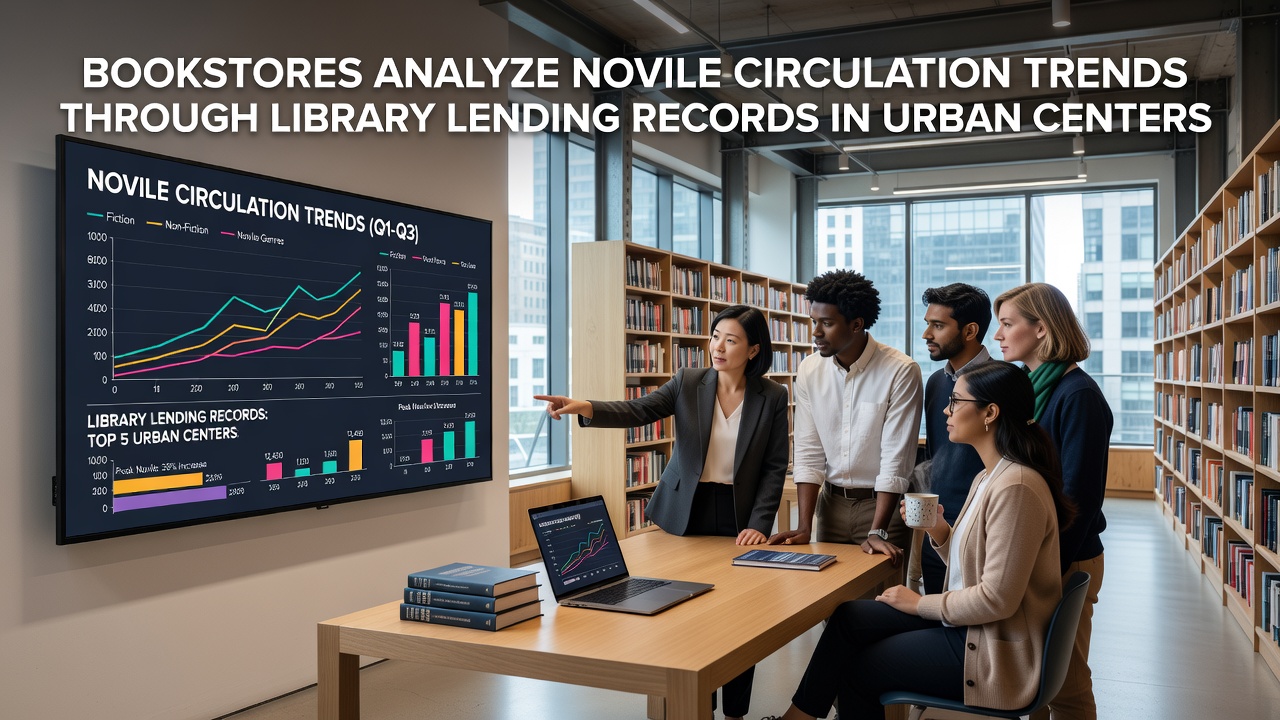
Bookstores across major urban centers have started examining library lending records to track novile circulation patterns, and this approach has gained traction since early 2025 as retailers seek reliable indicators of reader preferences in dense metropolitan areas. Data from public library systems in cities such as New York, Toronto, and Berlin provide detailed breakdowns of checkout volumes, hold requests, and return rates for novile titles, allowing bookstores to adjust inventory decisions based on observed lending activity rather than sales estimates alone.
Library Data as a Resource for Retail Decisions
Urban libraries maintain extensive digital records that capture circulation statistics for novile formats, which include short-form narrative works typically under 40,000 words, and bookstores access aggregated summaries through partnerships with library networks. In November 2026, the Institute of Museum and Library Services released figures showing a 14 percent increase in novile checkouts across 12 U.S. metropolitan library systems compared with the previous year, with urban branches accounting for the majority of that growth. Bookstore managers review these numbers alongside their own point-of-sale data to identify titles that maintain steady library demand even when retail sales fluctuate.
Analysts note that library lending records reveal seasonal spikes in certain novile subgenres, such as historical fiction and speculative short narratives, particularly during fall and winter months when commuting patterns shift in dense city environments. Retailers in Chicago and Vancouver have used these patterns to stock additional copies ahead of peak periods, since the records indicate sustained reader interest beyond initial publication dates.
Methods Employed in Urban Centers
Staff at bookstores and libraries collaborate through formal data-sharing agreements that anonymize individual borrower information while preserving aggregate circulation metrics. These agreements allow extraction of metrics like average loan duration, renewal frequency, and geographic distribution within city limits. Software tools developed by library consortia convert raw lending logs into visual reports that highlight which novile authors experience repeated borrowing across multiple branches.
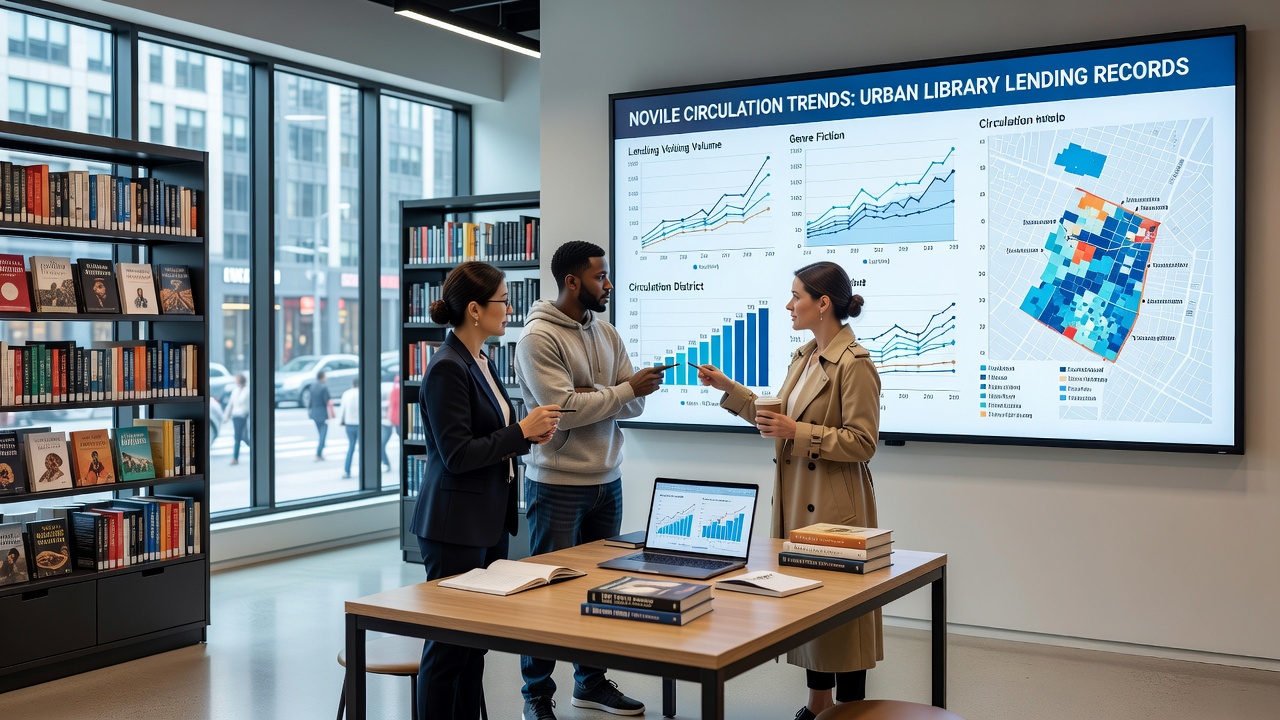
Researchers at academic institutions have examined these datasets to map correlations between library activity and nearby bookstore performance. A joint project involving the University of Toronto and local retailers found that novile titles with high hold queues in central branches often appeared on bookstore reorder lists within two weeks, demonstrating a measurable link between lending volume and retail replenishment cycles.
Geographic Variations Across Cities
Circulation trends differ by region because urban density, public transit usage, and library branch distribution influence borrowing habits. In European cities such as Amsterdam and Stockholm, records from the European Bureau of Library, Information and Documentation Associations show elevated novile circulation in neighborhoods with high concentrations of young professionals, whereas North American cities report stronger activity near university campuses. Bookstores adjust purchasing strategies accordingly, placing greater emphasis on regionally popular novile authors when library data indicate localized demand.
Transit-oriented library branches in cities with extensive subway or rail networks contribute disproportionately to overall novile lending totals, since commuters frequently borrow shorter works that fit travel schedules. Retail outlets located near these branches have incorporated the same lending insights to curate display tables featuring titles that rank highest in recent circulation reports.
Conclusion
Bookstores continue to integrate library lending records into their operational planning as a supplementary source of circulation intelligence, and the practice has expanded to additional urban centers through established data protocols. Aggregated statistics from public library systems supply concrete indicators of reader engagement with novile formats, enabling retailers to align stock levels with documented borrowing patterns across diverse metropolitan environments.